

Quick answer
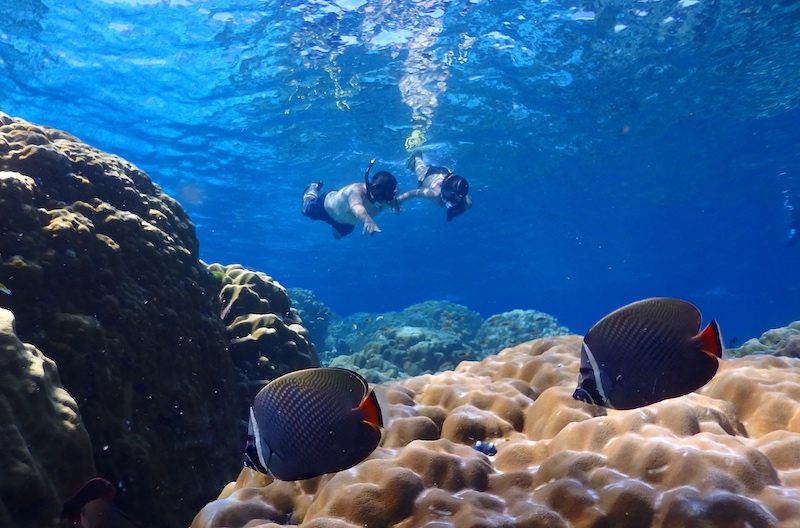
Koh Lanta National Park snorkeling centers on the beaches near Tanod Cape, where fringing reefs lie 10 to 30 meters from shore in depths of two to five meters. The park charges a 200 THB conservation fee per adult foreigner, and the best underwater visibility occurs during the dry season from November through April. Snorkelers commonly encounter parrotfish, angelfish, damselfish, and occasional green or hawksbill turtles grazing on seagrass beds adjacent to the coral.
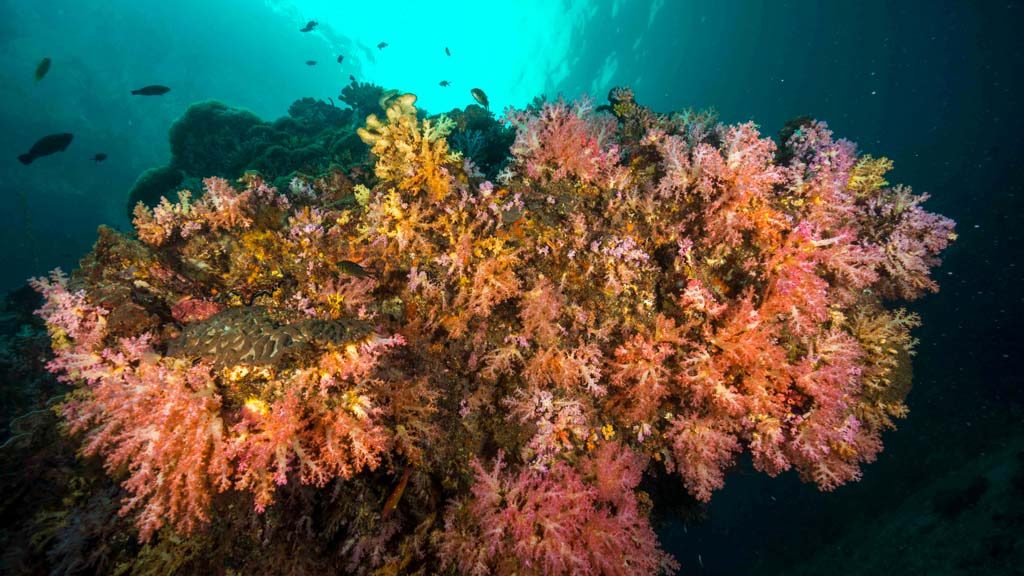
The national park encompasses the southern tip of Koh Lanta Yai and fifteen smaller islands, but the mainland's western beaches hold the most accessible underwater terrain. Fringing coral reefs extend along the rocky shoreline below the lighthouse, where the Andaman's nutrient-rich currents support dense populations of invertebrates and reef fish. Underwater, the reef structure consists of branching staghorn and table corals interspersed with massive Porites boulders. Purple and orange soft corals colonize the deeper drop-offs beyond five meters, though most snorkelers stay in the shallower zone where light penetration is strongest. Titan triggerfish nest in sand patches between coral heads during the April spawning season, becoming territorial and occasionally aggressive toward swimmers who approach too closely. Sea urchins cluster in crevices, and blue-spotted stingrays bury themselves in sandy channels. The park's reefs suffered bleaching during the 2010 and 2016 thermal events, and recovery remains patchy. Marine biologists from Prince of Songkla University conduct annual surveys, noting that Acropora colonies regenerate slowly while encrusting species rebound faster. Snorkeling at Mu Ko Lanta reveals this ecological transition—dead coral skeletons serve as substrate for algae and new polyp settlement, creating a reef in flux. Seasonal monsoon patterns dictate water clarity. Between May and October, southwest winds churn sediment and reduce visibility to three meters or less, while plankton blooms cloud the water column. The park remains open year-round, but underwater conditions improve sharply once the northeast monsoon begins in November. By December, visibility extends to twelve meters on calm days, and the water temperature stabilizes near 28°C. Snorkeling here requires self-sufficiency. No rental stations operate inside the park boundaries, and the nearest gear shops sit ten kilometers north in Ban Sala Dan. The beaches lack lifeguards, and the rocky substrate makes barefoot entry difficult. Coral cuts heal slowly in tropical humidity, so reef-safe footwear and a basic first-aid kit are practical additions to standard snorkel equipment.
“Fringing reefs extend along the rocky shoreline below the lighthouse, where the Andaman's nutrient-rich currents support dense populations of invertebrates and reef fish.”
Optimal Timing for Koh Lanta National Park Snorkeling
The best time to visit Mu Ko Lanta National Park for snorkeling is during the dry season, specifically between November and April, when sea conditions are calmest. For daily logistics, the best arrival window is 08:30–10:30, as the park is cooler, less crowded, and quieter for wildlife spotting and beach activities.
Dry Season (Nov–Apr)
Low to ModerateClear skies, 28–32°C, calm water
This period offers the highest underwater visibility for snorkeling.
Green Season (May–Oct)
LowRainy spells, 25–30°C, rougher seas
Snorkeling may be restricted due to seasonal monsoon winds and water turbidity.
Morning Arrival
Low—
Arriving between 08:30 and 10:30 ensures cooler temperatures and minimal crowds.
Verdict: For optimal snorkeling, visit between November and April and arrive promptly at 08:30 to secure the best conditions.
Koh Lanta National Park Snorkeling Hours of Operation
Mu Ko Lanta National Park is open daily to visitors for snorkeling and park activities. Arriving between 08:30 and 10:30 is recommended to experience cooler temperatures, fewer crowds, and quieter conditions for wildlife.
| Monday | 08:30–17:30 | |
|---|---|---|
| Tuesday | 08:30–17:30 | |
| Wednesday | 08:30–17:30 | |
| Thursday | 08:30–17:30 | |
| Friday | 08:30–17:30 | |
| Saturday | 08:30–17:30 | |
| Sunday | 08:30–17:30 |
Getting to Koh Lanta National Park Snorkeling Locations
Mu Ko Lanta National Park is located at the southern tip of Koh Lanta Yai. The most reliable way to reach the park entrance is by road, following the main island highway south.
Drive south along the main island road toward Moo 5, Tambon Ko Lanta Yai
Hire a local taxi or songthaew from Saladan or Klong Dao
Follow the main road south through the island interior
Key Spots for Koh Lanta National Park Snorkeling
The Mu Ko Lanta National Park features specific coastal areas where rocky formations support marine life. Snorkeling here is accessible directly from the shoreline during favorable tide conditions.
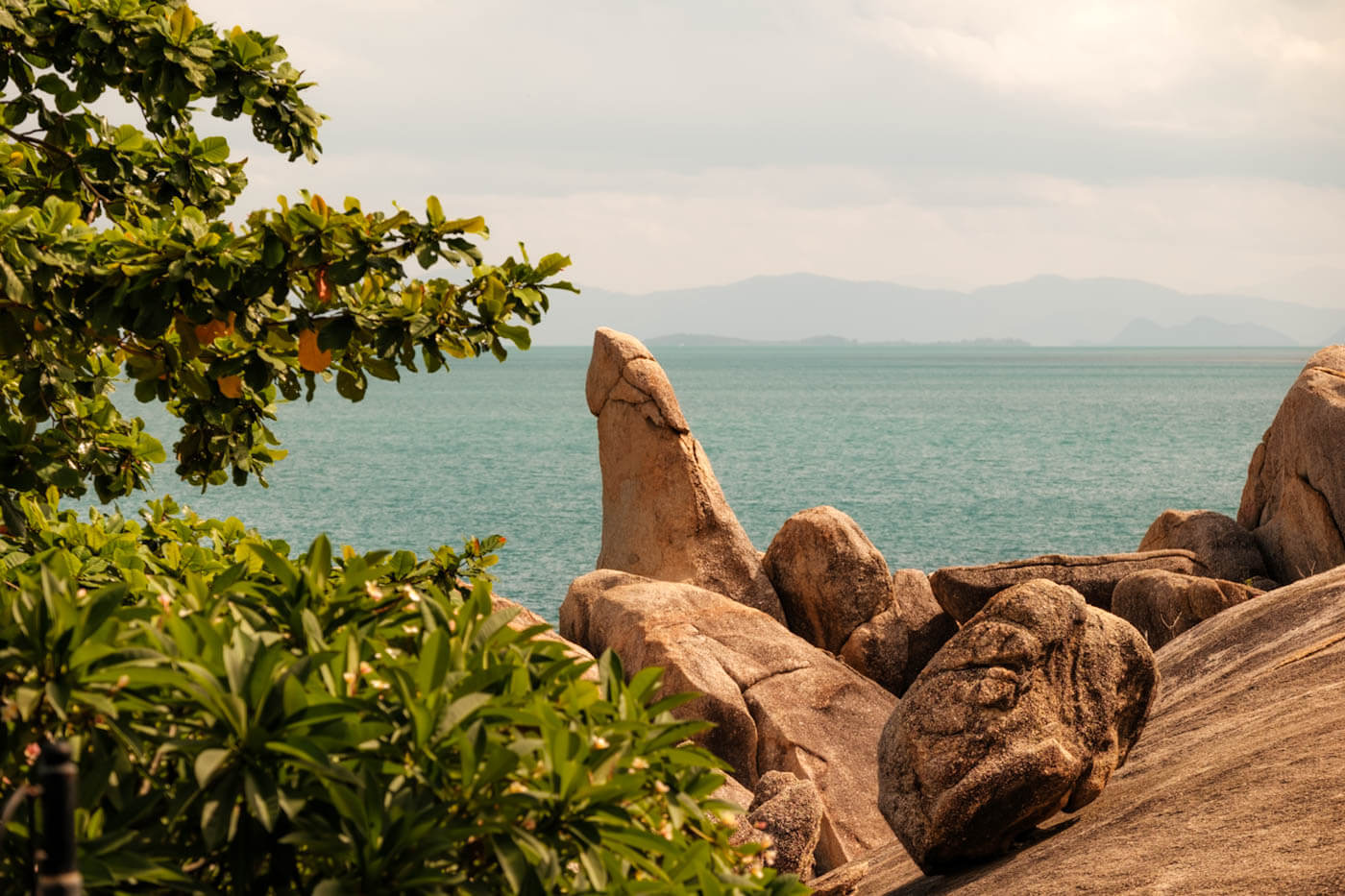
Ta Noad Beach
This primary beach serves as the central hub for park visitors, offering clear water and rocky outcrops at the southern end.
Snorkel around the rocky headland during low tide for visibility.
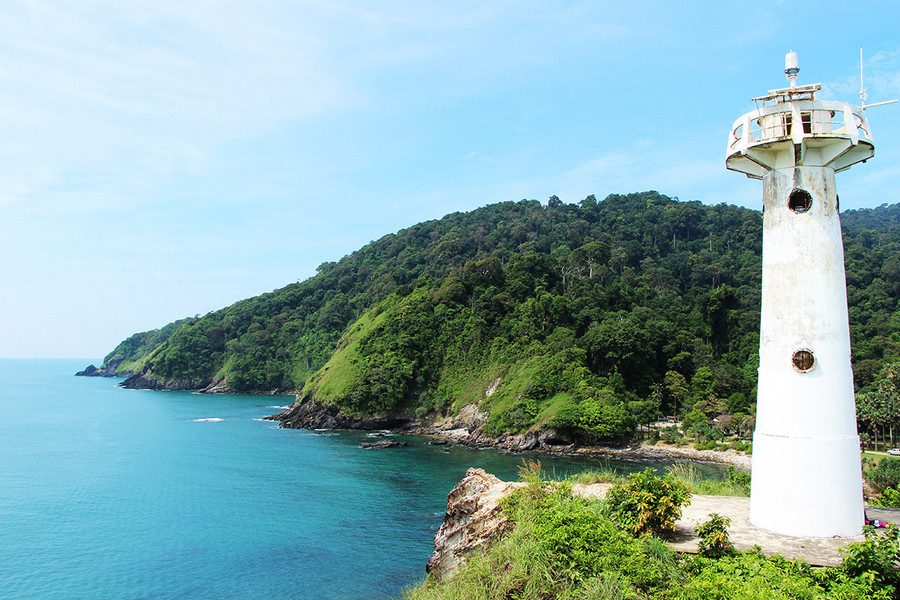
National Park Lighthouse Area
Located on the headland overlooking the park, the shallow rocky reefs nearby attract schools of small reef fish.
Bring water shoes to navigate the rocky entry points safely.
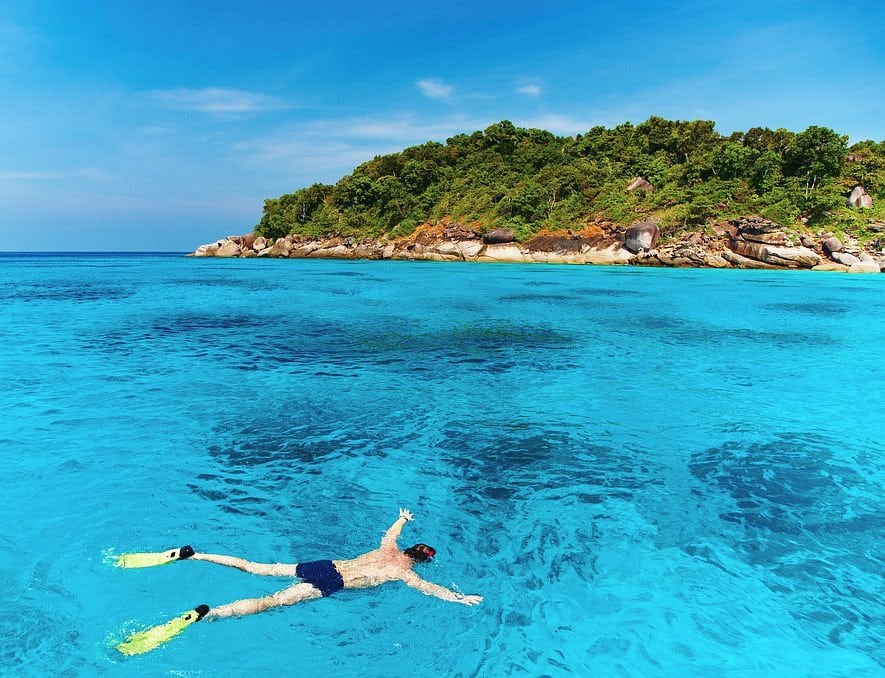
Coastal Rock Pools
These natural tidal depressions found along the southern coastline hold diverse small marine organisms.
Observe these pools during mid-tide to avoid strong currents.
Southern Reef Shelves
Accessible via the beach paths, these shelves provide a vantage point for viewing corals in shallow waters.
Swim parallel to the shore to maintain a safe distance.
Check availability
Frequently asked questions about koh lanta national park snorkeling
Everything you need to know about koh lanta national park snorkeling